Agentic Commerce: AI Alerts Cut E-commerce WISMO 30%
Stop WISMO before it starts. See how AI auto-alerts catch stalled parcels and protect your post-purchase margin.

The Hidden Cost of Stalled Parcels: Why WISMO Overwhelms CX
When a parcel stops moving, the customer notices before you do. In the shift toward agentic commerce, AI shopping agents choose brands based on delivery reliability, making high WISMO (Where Is My Order?) volume a direct threat to retention.
This gap between a carrier delay and your team finding out creates a surge in support tickets that drains operational resources. Data from a post-purchase tracking platform shows WISMO (Where Is My Order?) inquiries account for 40–60% of all inbound e-commerce support contacts. These require support agents to cross-reference multiple systems, contact carriers, and appease frustrated buyers. The financial impact is direct and measurable, as industry data from a post-purchase tracking platform indicates each WISMO ticket costs an average of $5 to resolve.
The core of the problem often lies in specific delivery exceptions, particularly the "stalled" state. "Stalled in Transit" is defined as an order that has been fulfilled and is in transit (picked up by the carrier) and has not received a scan update in the specified time frame, with a default of 72 hours (excluding weekends). When a package hits this threshold without triggering an automated response, the customer assumes it is lost. They contact support, demand a replacement, or request a refund. By the time you react, the damage to the post-purchase experience is already done.
Beyond Basic Tracking: The Data Fragmentation Challenge
Ambitious brands struggle to identify stalled parcels because their operational data lives in silos. The warehouse management system knows the order shipped, the carrier network holds the tracking events, and the customer service platform receives the complaints. Because these systems lack a single data foundation, decisions get made with missing context. This coordination gap means you cannot see a delay until the customer reports it.
The consequences extend far beyond the contact center. WISMO volume is a public signal AI shopping agents use to select competitors over you. An AI agent shopping on behalf of a consumer reads your delivery record, compares the promised date against the actual delivery performance, and chooses accordingly. If you consistently fail to manage stalled parcels, the agent recommends a competitor with a cleaner operational history. You can see that record before the agent does, and fix what is in it.
Basic multi-carrier tracking tools report on what happened after the fact. They log statuses, but require a human to log in, filter the data, and search for anomalies. In a high-volume e-commerce operation, waiting for a team member to manually spot a parcel that hasn't moved in 72 hours guarantees your margin leaks.
The Customer Experience Imperative: Proactive Communication is Key
Customers forgive delays; they do not forgive silence. When you proactively inform a buyer that their parcel is delayed and provide an updated timeline, the buyer feels valued. When the buyer has to hunt down the information themselves, they feel ignored. The stakes for getting this right are absolute. According to an AI customer experience tool, 79% of consumers may not purchase again from a brand after a poor post-purchase experience.
To protect customer lifetime value, brands must shift from reactive support to proactive intervention. Insights from a post-purchase tracking platform show proactive multi-channel notifications can reduce WISMO contacts by approximately 40%. Sending an automated email or SMS the moment a parcel breaches the 72-hour stall threshold intercepts the customer's anxiety. It answers the question before they ask it, keeping the interaction out of the support queue.
This approach requires understanding the psychology of the buyer. You must discover how post-purchase behavior impacts customer retention. A buyer actively monitors their tracking number. If the status remains static, doubt creeps in. Proactive alerts replace that doubt with certainty, proving that you own the delivery promise all the way to the doorstep.
Perform.AI's Solution: AI Anomaly Detection Across 1,100+ Carriers
To catch a stalled parcel before the customer does, a brand needs an operating system that reads the entire journey. Perform.AI runs the AI Commerce Operating System, built on one set of connected data. Logistics executes the daily delivery work underneath, processing more than 100bn+ parcel updates a year across 1,100+ global carrier integrations. This operational legibility turns chaotic carrier events into structured, machine-readable data.
With this foundation, Perform.AI applies AI Decision Intelligence to read across the entire post-purchase journey. As described by an AI visibility tool, AI anomaly detection in logistics identifies unusual patterns or irregularities, such as shipment delays or duplicate invoices, using AI and data analytics to prevent operational risks and inefficiencies. Instead of waiting for you to ask for a report, the system watches performance against the standards you set and raises an alert the moment a parcel stalls.
Because the data is connected, the system knows exactly what the carrier promised, what the customer expects, and what the current status is. It normalizes the fragmented tracking codes from hundreds of different carriers into a single, reliable timeline. This is the trust chain: accurate delivery data ensures you act on facts rather than guesswork.
Automated Alerts: Transforming Anxiety into Trust
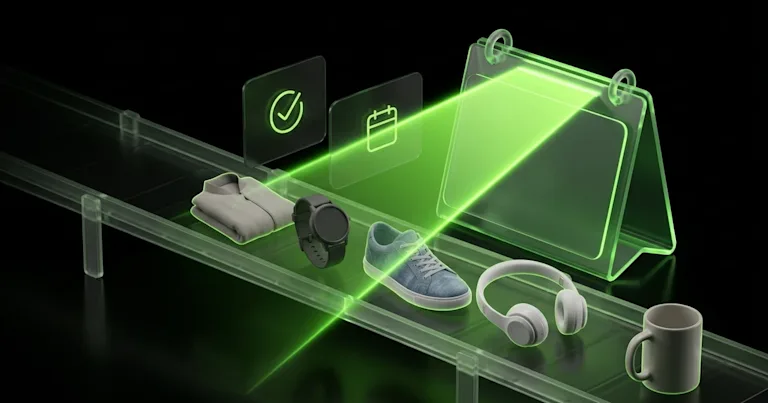
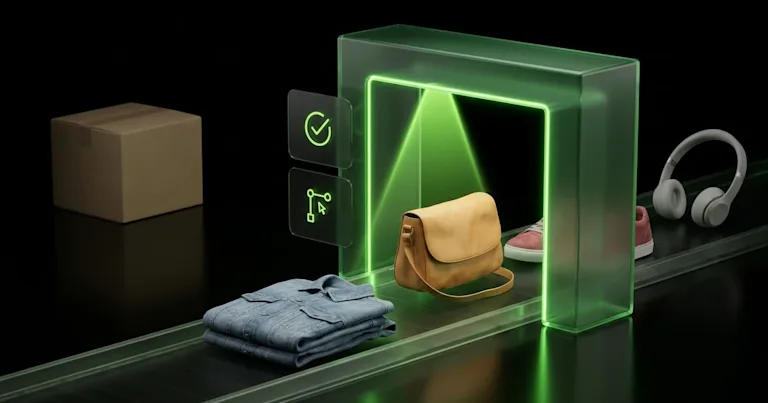
Perform.AI's automated alerts change the nature of the work. Instead of a support team hunting for delayed orders, the system pushes the anomaly directly to the team. If a parcel sits in a sorting facility for 72 hours without a scan, automated alerts flag the shipment immediately.
The system then goes a step further. AI-driven recommendations tell you what to do next. It might suggest triggering a specific post-purchase notification to the customer, or it might advise opening an investigation with the carrier. Your team reads the record first, fixes what is in it, and communicates the update to the buyer.
This automated workflow intercepts the WISMO inquiry entirely. The customer receives a branded message explaining the delay and providing a new estimated delivery date. The AI agent tracking the order registers the updated timeline. The support team avoids a $5 ticket. The entire interaction is handled through proactive data rather than reactive labor.
Real Results: Cutting WISMO and Boosting Loyalty
Brands running on Perform.AI see a direct impact on their gross margin. By catching stalled parcels early and automating the communication, they consistently cut WISMO volume by 30% or more. This reduction frees up customer service teams to handle high-value interactions rather than answering basic tracking questions.
The secondary benefit is customer retention. A proactively managed delay often results in higher customer satisfaction than a flawless delivery, because it proves the brand's competence under pressure. The buyer learns they can trust the retailer to handle exceptions, which increases the likelihood of a repeat purchase.
Maintaining a clean delivery record protects your standing in agentic commerce. When AI shopping agents select brands for future recommendations, they look for a history of kept promises and managed exceptions, rather than a trail of unresolved delays and frustrated reviews.
Build Loyalty, Not Frustration: The Future of Post-Purchase
Ambitious brands can no longer afford to treat post-purchase as a blind spot. Stalled parcels will happen, but they do not have to result in lost customers and inflated support costs. By moving from fragmented tracking tools to a single AI Commerce Operating System, retailers catch delays and act before the customer complains.
The tension between carrier constraints and consumer expectations is permanent. As AI agents assume more of the discovery process, the tolerance for operational silence drops to zero. The brands that capture market share are shifting their focus from explaining delays to preventing the silence that surrounds them.
Stop letting stalled parcels dictate your support volume and damage your retention. See how Perform.AI handles this and book a demo to protect your post-purchase margin.
Frequently Asked Questions
What is WISMO in e-commerce?
WISMO stands for "Where Is My Order?" It refers to customer inquiries directed at support teams regarding the status, location, or expected delivery date of a purchased item. High WISMO volume typically indicates a lack of proactive tracking communication.
How do AI agents use delivery tracking data?
AI shopping agents read a brand's historical delivery performance to evaluate reliability. They compare the delivery dates promised at checkout against the actual delivery records. Brands with consistent, reliable fulfillment are more likely to be recommended to buyers.
What causes a parcel to stall in transit?
A parcel stalls when it is picked up by a carrier but fails to receive a scan update for an extended period, typically 72 hours. This can result from sorting facility backlogs, damaged labels, weather events, or carrier network errors.
How does proactive communication reduce WISMO?
Proactive communication intercepts customer anxiety by providing updates before the customer has to ask. Sending an automated alert about a delay, along with a revised timeline, answers the customer's question and prevents them from opening a support ticket.
What is a branded tracking page?
A branded tracking page is a dedicated portal hosted by the retailer, rather than the carrier, where customers can check their order status. It keeps the buyer within the brand's ecosystem, allowing for targeted messaging, product recommendations, and consistent design.