Post-Purchase Behavior: Why Customers Buy Again (or Don't)
Stop losing customers after checkout. Master post-purchase behavior to turn delivery tracking into repeat revenue.
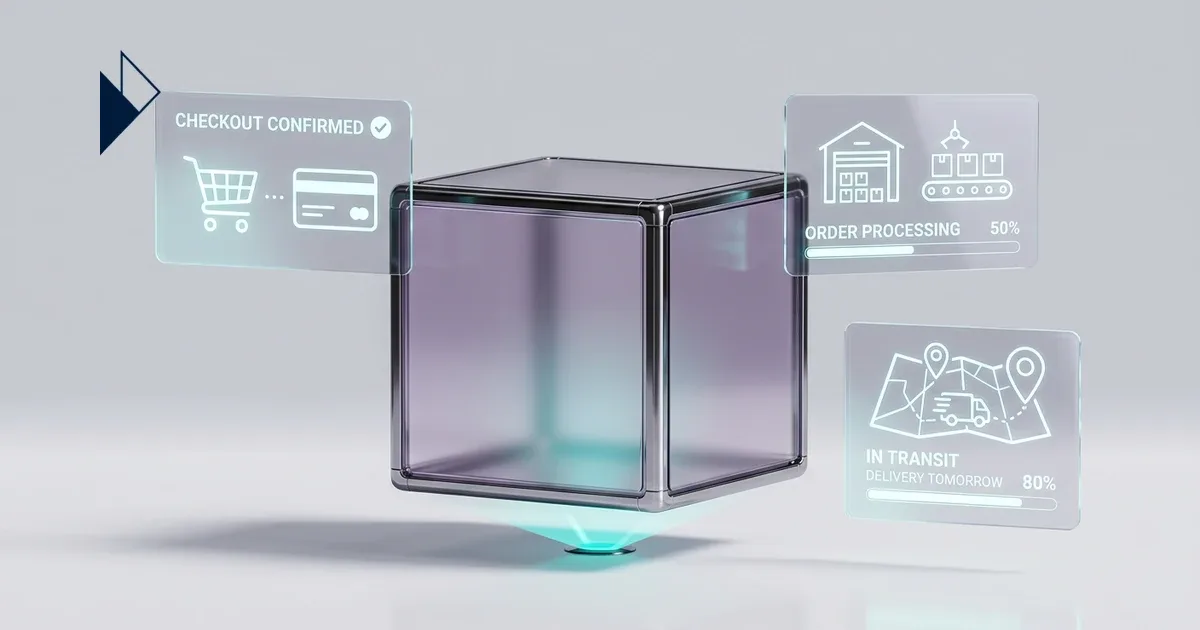
With the rise of agentic commerce, the period between checkout and delivery is the most vulnerable phase of the customer lifecycle. While enterprise retailers spend heavily to acquire traffic and optimize the e-commerce checkout, they routinely hand over the actual delivery experience to third-party carriers. This operational disconnect creates an information vacuum that dictates post-purchase behavior. When customers lack visibility into their order status, anxiety builds, trust erodes, and the likelihood of a repeat purchase drops significantly.
A minor increase in customer retention drives substantial profit growth over time. Protecting that retention requires a structural shift in how operations and customer experience teams handle post-checkout data. Retailers must move away from reactive support models and adopt proactive engagement strategies that keep the buyer informed, reassured, and connected to the brand throughout the fulfillment journey.
The Hidden Gap: Where Loyalty is Won or Lost
The post-purchase phase is where the brand promise is either validated or broken. During the discovery and consideration phases, retailers control the narrative through polished marketing and optimized site design. However, once the "Buy" button is clicked, control shifts to a fragmented network of logistics providers. This gap is where customer loyalty breaks down. If a package is delayed, routed incorrectly, or simply lacks tracking updates, the customer blames the retailer, not the carrier.
As AI shopping agents begin to automate product discovery and transactions, the Universal Commerce Protocol (UCP)—an open standard co-developed by Google and Shopify—is enabling these agents to execute discovery, checkout, and post-purchase support. This shift toward agentic commerce makes the delivery phase the primary arena for human brand interaction. If a brand fails to provide accurate, machine-readable delivery updates, they risk being deprioritized by both human buyers and AI agents. The brands that win loyalty are those that treat the delivery journey as an extension of the storefront.
The Psychology of Post-Purchase Dissonance
Understanding why customers fail to return requires examining the psychological friction that occurs after a transaction. Post-purchase dissonance is defined as the psychological discomfort or regret a customer feels after a purchase, often triggered by a lack of proactive delivery communication. When a customer completes a high-value transaction and receives only a vague confirmation email, doubt sets in. They wonder if the site was legitimate, if the item will arrive on time, or if they made a mistake in their selection.
This buyer's remorse is not limited to consumer retail. In B2B environments, 59% of B2B software buyers report regretting at least one purchase made in the past 18 months due to unexpected costs or adoption struggles. The underlying mechanism is identical: a gap between the promise made at checkout and the reality of the fulfillment process. To mitigate this dissonance, brands must provide continuous reassurance. Post-purchase behavior is heavily influenced by how quickly and clearly a brand communicates during transit. A well-timed notification confirming that an order has been packed or dispatched neutralizes buyer anxiety.
Why WISMO is a Retention Killer
Where Is My Order (WISMO) inquiries are more than just a drain on customer service resources; they are a lagging indicator of a broken delivery experience. By the time a customer submits a WISMO ticket, their frustration has already peaked. The burden of tracking the package has been shifted onto the buyer, forcing them to hunt for tracking numbers, search through clunky carrier websites, and decipher cryptic logistics statuses. This friction destroys the likelihood of a repeat purchase.
New standards like the Agentic Commerce Protocol (ACP) define how AI agents securely perform commerce actions like buying and subscribing. To power agentic commerce, these agents require structured, real-time data to function. If your logistics data is fragmented, you cannot feed accurate status updates to either a human customer or an AI assistant. Reducing WISMO volume requires a shift from reactive troubleshooting to proactive communication. When a retailer anticipates a delay and informs the customer before they have to ask, the narrative changes from a service failure to a demonstration of competence and care.
The Data Challenge: Fragmented Journeys and Blind Spots
The root cause of poor post-purchase communication is rarely a lack of intent; it is a lack of operational legibility. Enterprise supply chains rely on a complex web of regional carriers, 3PLs, and cross-border logistics providers. Each entity generates tracking data in different formats, time zones, and languages. This fragmentation creates blind spots. When a parcel is handed off from an international freight forwarder to a local last-mile carrier, the tracking link breaks.
Retailers are left blind, unable to trigger proactive post-purchase notifications. Resolving this requires standardizing carrier data into a single, unified format. E-Commerce Data Management systems must be capable of ingesting raw logistics events and translating them into clear, actionable insights. Without this foundational data layer, any attempt to improve the post-purchase journey will be undermined by inaccurate or delayed tracking information.
Turning Returns into a Revenue Engine
Retailers treat returns as a sunk cost, yet they represent a critical touchpoint for data-driven retention. A complicated reverse logistics process guarantees customer churn. Conversely, an intuitive returns management workflow builds confidence. When customers know they can easily send an item back, they complete the initial purchase and return for future orders. A smooth returns process directly drives conversion optimization.
By utilizing a structured Returns Experience, brands can recapture revenue. Providing an Online self-service returns portal with Automated approvals reduces friction for the buyer while lowering operational overhead. Furthermore, teams can use the Returns Overview to monitor inbound items and apply Reports & Analysis to identify patterns in return reasons, adjusting product descriptions to prevent future issues. Every return is an engagement opportunity. By proactively sharing return status updates, retailers guide customers back to the storefront to facilitate an exchange or a new purchase.
The Perform.AI Framework: Data-Driven Post-Purchase
To eliminate post-purchase dissonance and build long-term loyalty, retailers need a system that translates raw logistics events into actionable customer engagement. Perform.AI’s Post-Purchase Experience is designed to turn delivery pitfalls into proactive touchpoints. The platform processes over 100bn+ parcel updates a year across 1,100+ global carrier integrations, standardizing this massive volume of data into 155+ harmonized event types. This operational legibility ensures that every tracking update is accurate, timely, and machine-readable.
With this foundation, brands can deploy a Premium Tracking Page hosted on their own domain, keeping customers engaged within the brand's ecosystem rather than sending them to generic carrier sites. The integrated Campaign Manager allows marketing teams to target specific audiences with personalized banners and product recommendations based on shipment tags. Meanwhile, proactive Notifications keep buyers informed at every critical milestone, drastically reducing WISMO volume. By analyzing performance through Reports & Analysis, operations teams can continuously refine their delivery promise.
The next era of e-commerce will not be won at the checkout button, but in the transit window that follows. As autonomous agents begin executing purchases on behalf of consumers, the definition of a good delivery experience shifts from human-readable tracking pages to API-first operational legibility. Brands that fail to structure their logistics data will become invisible to these new buying algorithms, while those that master it will secure loyalty from both human shoppers and the machines that buy for them—a dynamic that fundamentally redefines what this looks like for your operation.
Frequently Asked Questions
What drives post-purchase behavior in e-commerce?
Post-purchase behavior is primarily driven by the quality of the delivery experience and the transparency of communication. Customers evaluate a brand based on how well it manages the fulfillment process, handles delays, and provides proactive updates. A smooth post-checkout journey builds trust and encourages repeat purchases.
How does post-purchase dissonance affect customer retention?
Post-purchase dissonance creates psychological friction, causing buyers to regret their purchase or doubt the brand's reliability. If this anxiety is not addressed through clear post-purchase notifications, the customer is highly unlikely to return, directly impacting long-term retention rates.
What is the best way to reduce WISMO inquiries?
The most effective way to reduce Where Is My Order (WISMO / WISMR) inquiries is to transition from reactive support to proactive tracking. By standardizing carrier data and automatically notifying customers of key delivery milestones or delays, brands can answer the customer's question before they have to ask.
How can returns be optimized to protect revenue?
Optimizing returns management involves offering a self-service portal with automated approvals and clear drop-off instructions. By making the process effortless and maintaining communication throughout the reverse journey, brands can often convert a return into an exchange or a future sale.
How will AI agents change post-purchase engagement?
As agentic commerce matures, AI shopping assistants will increasingly handle post-purchase tasks like tracking orders and initiating returns on behalf of the user. Brands will need highly structured, machine-readable logistics data to ensure these AI agents can successfully interact with their fulfillment systems.