When to Reship Missing Parcels Before Carrier Claims Close
Stop waiting on carrier claims. Use scan anomalies to trigger instant reshipments and save customer retention.
Reship immediately when standardized carrier scan sequences indicate terminal stalls—such as 72 consecutive hours without an expected transit scan—decoupling customer recovery from carrier claim reimbursement to preserve customer retention while recovering costs retroactively.
Why Do Carrier Claim Windows Paralyze Customer Service?
Customer service teams face a structural conflict when a parcel goes missing in transit. The carrier requires a formal investigation window—often spanning a lengthy period—before approving a lost package claim. Meanwhile, the shopper expects an immediate resolution. When support agents are forced to wait for carrier confirmation before authorizing a replacement, customer service workflows stall. This delay turns a simple fulfillment error into a prolonged dispute.
Agents spend their shifts checking carrier portals, sending placating emails, and managing escalating WISMO / WISMR ticket volume. The paralysis stems from treating the carrier's financial reimbursement timeline as the trigger for the customer's service recovery. Brands tie the reshipment to the claim approval to avoid double losses, but this approach trades long-term customer lifetime value for short-term claim certainty. The internal friction between logistics teams protecting margin and support teams protecting the brand leaves the customer stranded in the middle.
The operational bottleneck deepens when agents lack visibility into the actual scan events. Without clear data showing where a package stopped moving, teams default to the carrier's official timeline. This reactive posture forces the customer to bear the friction of the carrier's investigation process. When tracking, returns and claims operate in separate silos, the support agent cannot confidently override the carrier's delay. They lack the operational ground truth required to prove the parcel is lost, so they ask the customer to wait another week.
What Are the True Costs of Making Shoppers Wait for Claims?
Forcing a shopper to wait for a carrier investigation triggers immediate financial and reputational damage. The most visible cost is the surge in support tickets. A single missing parcel can generate three to five customer contacts if the resolution is delayed, destroying first-contact resolution metrics and driving up the cost per ticket. Beyond support overhead, the risk of chargebacks spikes. When a customer feels ignored while the brand waits on the carrier, they bypass the merchant and dispute the charge with their bank, resulting in lost merchandise, lost revenue, and penalty fees.
The scale of the problem is expanding due to rising delivery exceptions and package theft. Over a 12-month period across 2024–2025, an estimated 104.3 million packages were stolen in the United States, costing retailers approximately $22 billion in replacement, refund, and loss-mitigation expenses. This volume means missing parcels are a daily operational reality, not a rare edge case. The sheer number of affected orders makes manual claim reviews unsustainable for growing brands.
Furthermore, approximately 30% of American adults—nearly 48 million consumers—experienced package theft over a 12-month period, accounting for $7.7 billion in stolen goods. When a brand makes these millions of affected shoppers wait weeks for a carrier to confirm what the tracking already implies, customer retention plummets. The true cost of waiting is the permanent loss of the buyer. Every day spent waiting for a carrier portal to update is a day the customer spends researching competitors. Treating the shopper with suspicion during a prolonged investigation severs the trust required for repeat purchases.
Which Scan Sequence Anomalies Signal a Permanently Lost Parcel?
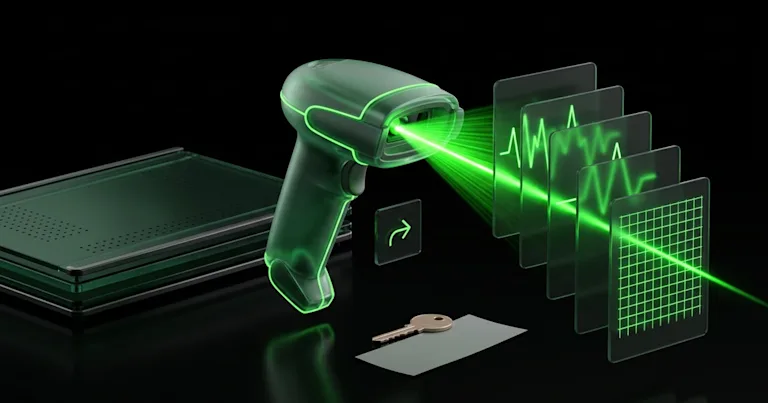
A parcel rarely vanishes without leaving a data trail. Instead of waiting for a customer to complain or a carrier to declare a package lost, operations teams can identify terminal stalls by reading scan sequence anomalies. These physical milestone gaps prove a parcel is unrecoverable days before the official claim window opens.
The first anomaly is the missing induction scan. If a shipping label is created and the warehouse confirms dispatch, but the carrier network shows no receipt scan after a reasonable timeframe, the parcel is likely lost at the first-mile handover. The second indicator is a frozen transfer hub. When a package receives an arrival scan at a regional sorting facility but lacks a departure scan for 72 consecutive hours, it is typically damaged, destroyed, or lost in the facility. These hard stops in the data indicate a physical failure in the sorting process.
Looping sorting errors provide another clear signal. If a tracking history shows a package bouncing between the same two facilities multiple times without progressing toward the destination, the barcode is likely damaged or misrouted. The automated scanners read the flawed label and send the parcel back and forth indefinitely. Finally, a carrier exception status that remains unresolved for an extended period—such as a weather delay that persists long after the weather clears—indicates the package has fallen out of the active delivery flow. By monitoring these specific scan gaps, brands gain the ground truth required to act. They can confirm the loss internally and initiate recovery without waiting for the carrier's manual investigation.
How to Build a Data-Driven Reshipment Decision Framework
To automate reshipment triggers safely, brands need a clear decision rule that integrates order value, customer history, and terminal scan thresholds. This prevents fraud while accelerating recovery for legitimate losses.
Define terminal scan thresholds: Establish exact timeframes for scan gaps based on the carrier and service level. For example, set a rule that 72 hours without a transit scan on an expedited service constitutes a terminal stall, triggering an automatic review.
Segment by customer trust tiers: Evaluate the shopper's history before authorizing a replacement. Customers with high lifetime value and no previous missing parcel claims qualify for instant reshipments. First-time buyers or accounts with high claim rates route to a manual review queue.
Set order value limits: Determine the financial threshold for automated reshipments. Low-value orders below a specific margin impact can be replaced immediately upon a scan anomaly. High-value merchandise requires a secondary check or a police report for suspected theft.
Automate the replacement trigger: Connect the tracking data directly to the order management system. When a parcel hits the terminal scan threshold and passes the trust and value checks, the system automatically generates a zero-dollar replacement order and notifies the customer.
This framework shifts the operation from reactive to proactive. It uses real-time shipment tracking to identify the failure, applies business logic to mitigate risk, and executes the recovery. The customer receives a replacement notification before they even realize the original package is delayed, turning a fulfillment failure into a loyalty-building event. The support team intervenes only when the automated logic flags an exception, drastically reducing manual ticket handling.
Decoupling Service Recovery from Carrier Reimbursement with Perform.AI
Ambitious brands stop forcing customers to wait for carrier investigations by running their post-purchase operations on one connected system. Perform.AI unifies the data required to trigger instant replacements while working carrier claims in the background.
The process starts with Carrier Data Foundation, which normalizes tracking updates across more than 1,100 global carrier integrations into one readable record. This standardization allows AI Performance Alerts to monitor carrier SLA compliance and exception patterns across multiple carriers. When a parcel hits a terminal scan threshold, the system flags the anomaly immediately. AI Decision Intelligence reads this connected data, applying the brand's specific rules for order value and customer history to determine the next action.
Because the data is connected, the brand can execute the replacement order routing instantly to save the customer relationship. Simultaneously, Post-Purchase Claims Management initiates the formal dispute process with the carrier. The system audits shipping cost disputes and files the claim using the exact scan history that triggered the reshipment. Handling lost, damaged parcels this way decouples the customer's service recovery from the carrier's reimbursement timeline. The shopper gets their item, and the brand recovers the cost retroactively.
Catching terminal stalls before the customer calls requires tracking data and claims logic running on the same foundation. Perform.AI connects the scan history to the recovery action, so your team replaces the missing item immediately and files the carrier claim automatically. Book a demo to see how connected post-purchase data protects your margin and your customer retention.
Frequently Asked Questions
When should an online store reship a missing parcel before carrier claims close?
Reship immediately when standardized carrier scan sequences indicate a terminal stall, such as 72 consecutive hours without an expected transit scan. This decouples the customer's service recovery from the carrier's reimbursement timeline, preserving customer retention while the brand recovers costs retroactively.
How long should customer service wait before reshipping a lost package?
Customer service should not wait for the carrier's official claim window, which often takes a lengthy period. Instead, teams should trigger a reshipment as soon as internal data rules confirm a physical milestone gap, such as a missing induction scan after 48 hours.
What scan anomalies indicate a package is permanently lost?
Key anomalies include missing induction scans 48 hours after dispatch, frozen transfer hubs with no departure scan for 72 hours, looping sorting errors where a package bounces between two facilities, and unresolved carrier exception statuses that persist for multiple business days.
How does waiting for carrier claims impact customer retention?
Making a shopper wait weeks for a carrier investigation destroys trust and drives up support tickets. Customers often bypass the merchant to file chargebacks, resulting in lost revenue and penalty fees. The friction of the investigation process permanently severs the relationship, preventing repeat purchases.
How do brands automate reshipments without increasing fraud risk?
Brands automate reshipments safely by building a decision framework that integrates terminal scan thresholds, order value limits, and customer trust tiers. High-value customers with no previous claims receive instant replacements, while first-time buyers or high-value orders route to a manual review queue.