Returns Management: Best Practices for In-Store, Drop-Off, and Home Pickup Options
Learn how flexible return options (home pickup, drop-off, in-store) boost customer satisfaction & loyalty.
In the bustling world of e-commerce, the click of a button seals the deal. But there's a hidden force shaping customer satisfaction: their returns experience. A staggering 72% of shoppers say they'll abandon a brand after just one negative returns experience.
Think about it. Have you ever felt the frustration of a cumbersome return process? That feeling can make or break a customer's relationship with a brand. As businesses compete for attention in an increasingly crowded marketplace, flexible returns are no longer a luxury—they're a necessity.
Gone are the days when returns were simply an afterthought. Today's customers expect a seamless and personalized experience, and that includes the ability to return or exchange items effortlessly. They want choices. They want control. And they want it now. This shift in consumer behavior demands that businesses rethink their approach to returns, offering a variety of options that cater to individual needs and preferences.
So, what does a truly flexible returns experience look like? It's about providing a spectrum of choices. It’s about empowering customers to select the method that best suits their lifestyle and circumstances. Here are some key options. Let’s explore them:
Home Pickups: The Epitome of Convenience
Imagine this: a customer wants to return a bulky item. Instead of wrestling it to a drop-off point, they can schedule a pickup from the comfort of their home. Home pickups offer unparalleled convenience, particularly for large or heavy items. However, businesses need to consider the costs associated with this service and optimize logistics to ensure efficiency. Clear communication about scheduling, packaging, and carrier options is crucial for a smooth home pickup experience.
Drop-Off Points: Accessibility and Affordability
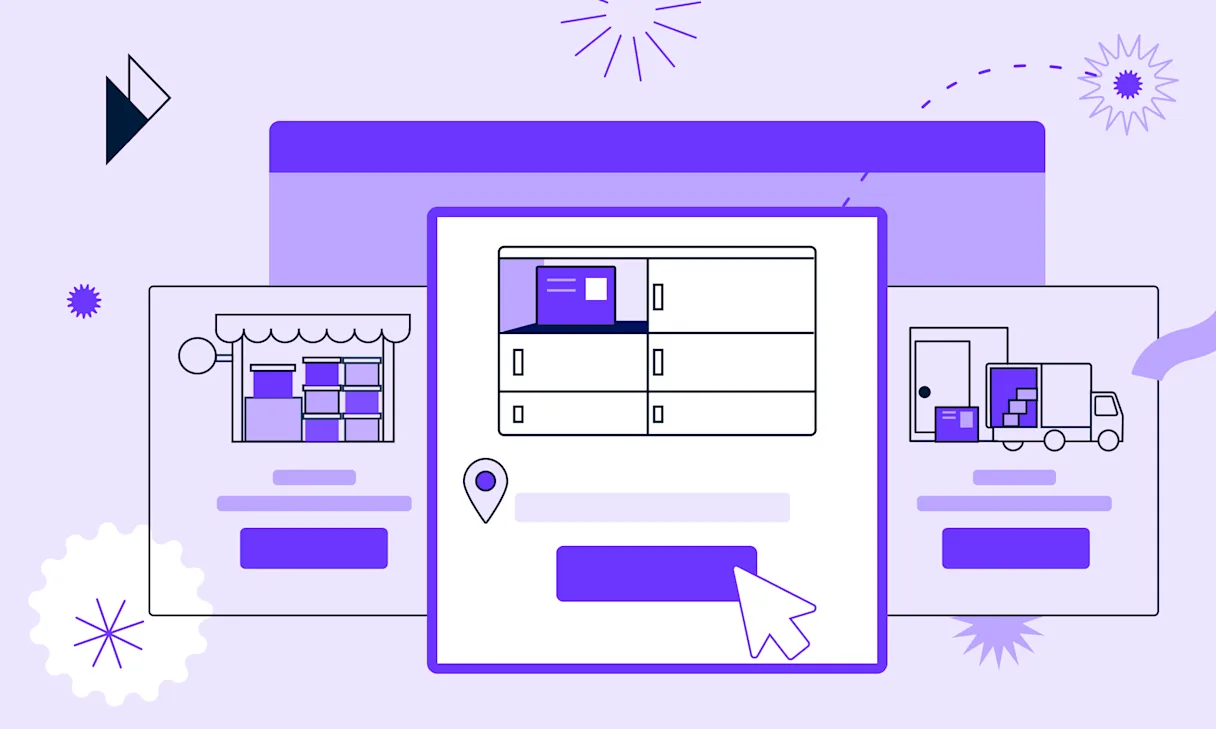
For many customers, dropping off a return at a conveniently located point is the preferred method. A vast network of drop-off locations, including retail stores, lockers, and postal offices, provides accessibility and affordability. This approach not only reduces shipping costs for businesses but also empowers customers with a sense of control over their returns.
To optimize this option, businesses should provide clear instructions on locating nearby drop-off points, packaging guidelines, and available carriers. Real-time tracking updates can further enhance the customer experience, building trust and confidence throughout the returns journey.
In-Store Returns: The Power of Immediacy
In-store returns offer a unique advantage: immediate resolution. Customers can walk in, return their item, and potentially make an exchange or purchase a new product on the spot. This not only provides instant gratification for the customer but also creates an opportunity for businesses to recover revenue and build customer relationships.
However, efficient in-store returns require streamlined processes and well-trained staff. Businesses need to ensure a smooth experience, minimizing wait times and providing clear communication about return policies and procedures.
The Backbone: Automation and Visibility
Regardless of the chosen return method, automation and visibility are essential for an exceptional customer experience. Automated return processes reduce manual effort, minimize errors, and accelerate the entire returns journey.
Real-time tracking empowers customers with up-to-the-minute information about their return status, reducing anxiety and building trust. For businesses, visibility into the returns pipeline allows for better inventory management, proactive issue resolution, and data-driven optimization.
Turning Returns into Revenue: A Strategic Opportunity
Returns, often viewed as a cost center, can be transformed into a revenue-generating opportunity. By offering seamless exchanges and incentivizing customers with gift cards or store credit, businesses can encourage repeat purchases and foster loyalty.
Imagine a customer returning a dress that didn't fit. Instead of simply issuing a refund, the business could offer a seamless exchange for a different size or suggest alternative styles, potentially leading to an additional sale. This customer-centric approach not only recovers revenue but also strengthens the brand-customer relationship.
Choosing the Right Returns Solution: A Critical Decision
Selecting the right returns solution is paramount for businesses seeking to optimize their reverse logistics. Factors to consider include the types of products sold, customer preferences, shipping carriers, and integration with existing systems.
A flexible and scalable returns platform can streamline operations, reduce costs, and enhance customer satisfaction. It's an investment that can pay dividends in the form of increased loyalty, repeat purchases, and a stronger brand reputation.
The Bottom Line
In today's competitive e-commerce arena, flexible returns are no longer a mere checkbox but a strategic imperative. By offering a variety of return options, automating processes, and providing real-time visibility, businesses can create a customer-centric returns experience that fosters loyalty, recovers revenue, and drives sustainable growth.
It's time to take a closer look at your returns process. Are you meeting the evolving needs of your customers? Are you turning returns into revenue opportunities? If not, it's time to explore solutions that can help you transform your returns experience from a necessary evil into a competitive advantage. Contact Perform.AI today for a free demo today.