E-commerce WISMO: Fixing the Label Creation Lag
End the silent period after label creation. Use real-time carrier data to stop WISMO inquiries before they start.
The Invisible Gap: Why Label Creation Notifications Lag
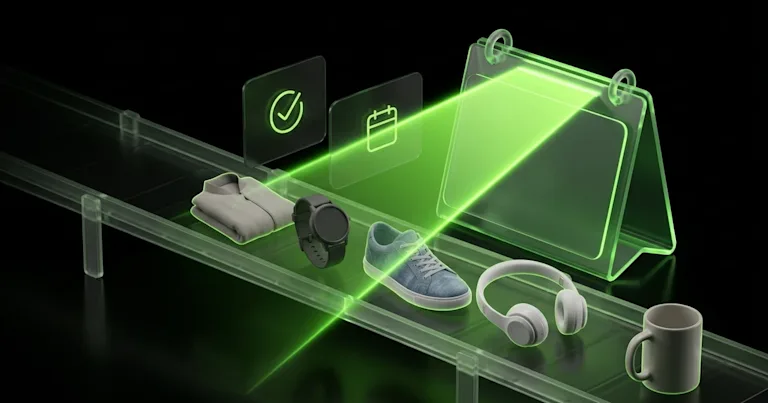
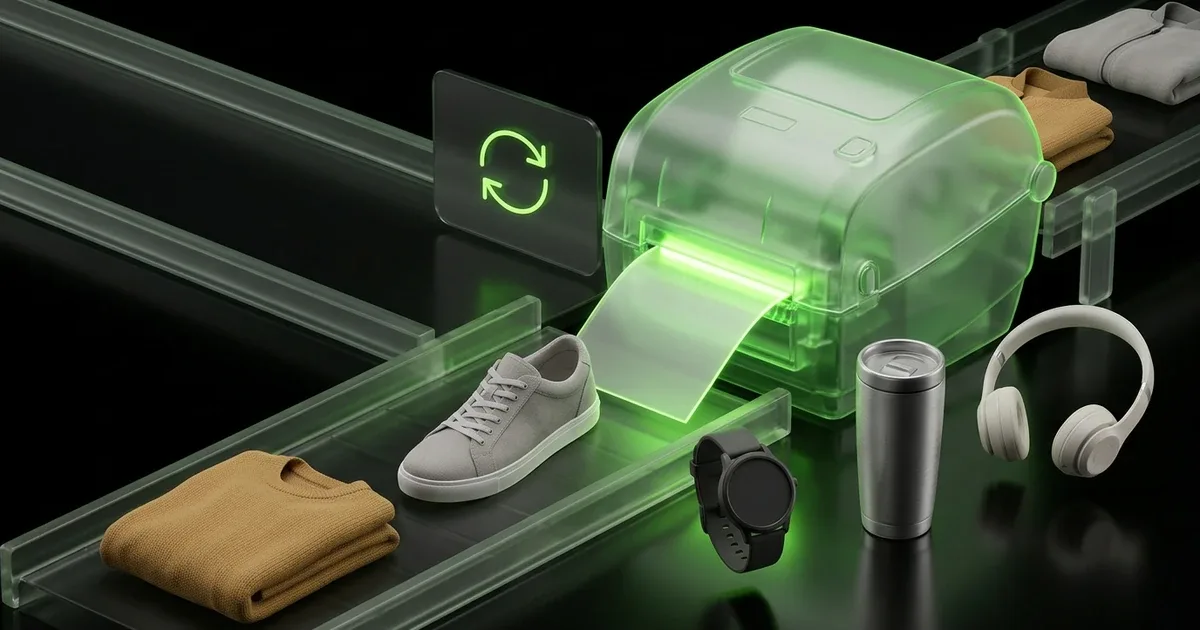
WISMO stands for "where is my order," the most common e-commerce customer service inquiry. The highest volume of these tickets spikes in the silent gap between label creation and the first carrier physical scan. A warehouse prints the shipping label, triggering an automated email to the buyer. The package then sits on a loading dock waiting for a carrier pickup. Hours or even days pass before the carrier scans the barcode into their network. During this window, the tracking link shows a static "label created" status, prompting buyers to contact support.
This lag occurs because traditional e-commerce platforms and warehouse management systems rely on batch processing. Instead of streaming events as they happen, legacy systems group updates and push them out on a schedule. The result is a WISMO / WISMR spike every time a weekend or a late-afternoon dispatch delays the physical handoff. The data exists, but the systems running the operation fail to coordinate it in real time. Fixing this coordination gap yields immediate operational relief; automated updates from a post-purchase tracking platform can reduce WISMO inquiries by 60–75%.
The problem compounds when brands rely on static carrier capacity quotes and delayed API polling. If a brand's tracking page only checks the carrier's server every few hours, the buyer sees outdated information even after the parcel is moving. This technical friction turns a standard fulfillment process into a customer service liability.
Customer Expectations: The Demand for Real-Time Transparency
Consumers expect instant, accurate updates from the moment they complete a purchase. The tolerance for vague delivery windows and silent periods has vanished. The vast majority of consumers now expect to receive regular updates on the status of their orders, representing a significant increase over recent years. This shift in baseline expectations means a brand's operational data must be as fast and precise as its marketing.
When a tracking link stalls at "label created," the buyer assumes the order is lost or forgotten. Nearly all customers desire regular communication about their packages, while a substantial portion will avoid buying from a retailer if there is a lack of visibility during delivery. The absence of data creates anxiety, and that anxiety translates directly into support tickets and degraded brand equity.
This transparency requirement now extends beyond human shoppers. In agentic commerce, AI shopping agents evaluate a brand's operational record to determine reliability. An agent reads what a brand promised at checkout, then checks what it actually delivered. If a brand consistently suffers from notification lag and poor tracking visibility, the agent spots the discrepancy. Performing is what earns the recommendation, and clean, connected, machine-readable commerce data is what lets AI agents find, trust, and transact with a brand.
The Hidden Cost of Batch Processing and Fragmented Data
Running an e-commerce operation on fragmented tools forces a brand to pay a steep software stack tax. A typical brand uses one system to print the label, another to book the carrier, and a third to send post-purchase notifications. Because these tools lack a single data foundation, decisions happen without the facts sitting in the next system along.
When a parcel is delayed at the dock, the customer service team has no more visibility than the buyer. They open three different systems to trace the order, manually cross-referencing warehouse dispatch logs with carrier portals. This manual reconciliation drives up the cost to serve and extends resolution times. The financial impact of this friction is severe: a significant segment of shoppers state they will not buy from the same store again after a delayed delivery, and many lose trust in the brand.
Batch processing also blinds the brand to systemic carrier issues. If a specific regional carrier consistently fails to scan parcels upon pickup, a fragmented stack reports this as a vague delay rather than a pinpointed carrier failure. The brand cannot hold the carrier accountable or reroute volume because the data never joins up to form a complete picture.
Beyond Basic Tracking: The Perform.AI Difference
Ambitious brands require an architecture that coordinates the entire journey, from AI Commerce Visibility through Checkout, Post-Purchase, and Returns. Perform.AI runs this sequence as one AI Commerce Operating System, built on one set of connected data. Instead of batching updates and hoping systems align, Perform.AI processes more than 100bn+ parcel updates a year across 1,100+ global carrier integrations.
This scale provides operational ground truth. Perform.AI normalizes carrier and system data into 155+ harmonized event types. When a label is created, the system logs the exact timestamp and expected carrier SLA. If the first physical scan does not occur within the required window, the system catches the delay before the customer emails to ask. You can see that record before the agent does, and fix what is in it.
By operating above the fragmented tools a brand already runs, Perform.AI resolves conflicts between data sources. A question about a stalled parcel has one definitive answer rather than three conflicting ones depending on which dashboard a support agent checks. This single data core ensures the delivery promise made at checkout matches the reality executed by the warehouse and the carrier.
Neutralizing Lag: How Perform.AI Powers Instant Updates
Perform.AI eliminates the notification lag by combining execution and intelligence in one system. Logistics runs the daily delivery work underneath, executing carrier selection and producing the network data that keeps tracking current. Because Logistics and Post-Purchase share the same foundation, the moment a carrier scans a parcel, the event is harmonized and available for immediate communication.
AI Decision Intelligence reads across all of this data. The component watches performance against the standards a brand sets, raises an alert when a dispatch window is missed, and triggers the next operational move. Instead of a support team digging through a warehouse of reports to find out why a batch of orders is stuck at "label created," AI Decision Intelligence flags the specific dock delay and triggers proactive messaging to the affected buyers.
This proactive posture changes the customer experience entirely. Instead of a buyer discovering a stalled tracking link and filing a WISMO ticket, the brand controls the narrative. The system sends a precise update explaining the status, resetting expectations, and protecting the brand's reputation. The human and AI experience run concurrently, ensuring both the shopper and their agent read a clean, accurate record of the delivery.
Winning the WISMO Battle with Perform.AI
The gap between a printed label and a moving parcel is no longer just a customer service problem. As AI agents take over discovery and purchasing, they evaluate a brand's operational record with ruthless precision. A static tracking link now signals a brittle supply chain to the very systems deciding where to route a shopper's next order. Operational legibility is the new baseline for commercial survival.
Perform.AI gives e-commerce brands the system they need to close the coordination gap. By harmonizing data across the entire journey, catching delays instantly, and triggering proactive updates, brands protect their gross margin and earn the trust of both shoppers and AI agents. To see how Perform.AI handles this and stops WISMO inquiries before they start, book a demo.
Frequently Asked Questions
What is wismo meaning in e-commerce?
WISMO stands for "where is my order." It is the most common customer service inquiry in e-commerce, typically triggered when buyers experience a lack of visibility or delayed tracking updates during the delivery process.
How to reduce wismo during the fulfillment stage?
Brands reduce WISMO by eliminating batch processing and using a connected system to provide real-time, proactive updates. Catching delays between label creation and the first carrier scan allows a brand to inform the buyer before they have to ask.
What is a tracking number and when does it become active?
A tracking number is a unique identifier assigned to a parcel upon label creation. However, it often only shows meaningful movement data after the carrier physically scans the barcode into their network, creating a lag if systems do not sync in real time.
How do AI agents for post-purchase actions read delivery data?
AI shopping agents read a brand's operational record by comparing the delivery promise made at checkout against the actual delivery performance. They rely on clean, connected data to evaluate reliability and recommend brands to shoppers.
Why do delivery notifications lag after label creation?
Notifications lag because legacy systems use batch processing and delayed API polling. The warehouse prints the label, but the data is not pushed to the tracking page or the customer until the carrier completes a physical scan hours later.