Why Event-Driven Post-Purchase Emails Stop WISMO Contacts
Stop spamming inboxes. Master the event-driven post-purchase email cadence to cut WISMO and drive real retention.
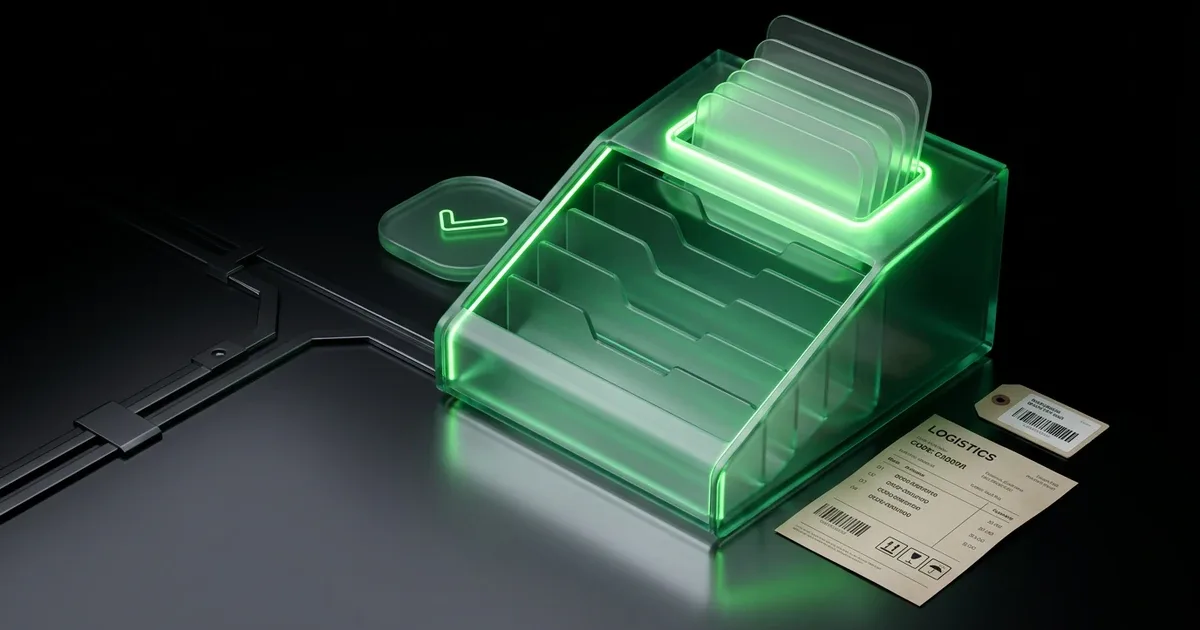
An effective post-purchase email cadence connects physical parcel movement to a dedicated tracking hub, resolving shipment questions while avoiding inbox fatigue.
Why Does the Post-Checkout Transit Period Need Brand Attention?
Surrendering the post-checkout conversation to fragmented carrier notifications wastes the acquisition spend that brought the shopper to the buy button. According to Descartes, 79% of consumers have experienced delivery problems during online shopping journeys, elevating anxiety during order transit. When a brand goes silent after checkout, shoppers turn to generic carrier tracking pages that offer little context, confusing status codes, and zero brand continuity.
This uncertainty drives support tickets and damages customer retention. A structured post-purchase email strategy reclaims this critical touchpoint. Ambitious brands communicate order status directly, turning the logistical wait into an active engagement channel. As the market shifts toward agentic commerce, where AI shopping agents track and manage purchases for buyers, maintaining a clear, brand-owned data trail is critical. Shoppers and their agents expect accurate, real-time updates rather than vague delivery windows. Managing e-commerce logistics effectively means controlling the narrative from the warehouse to the doorstep.
How Should Brands Structure Their Post-Purchase Email Flow?
Finding the right frequency for order updates requires balancing proactive communication with inbox restraint. Too few messages leave buyers anxious; too many train them to ignore the brand entirely. When communication fails, where-is-my-order (WISMO) contacts routinely account for a primary share of inbound e-commerce customer support volume. To prevent this, marketing and operations teams must align on a disciplined sequence of delivery notifications.
Immediate order confirmation: Sent the moment checkout completes, verifying the purchase, confirming the items selected, and setting the initial delivery expectation based on the promise made at the buy button.
Carrier handover dispatch: Triggered when the warehouse transfers the parcel to the shipping provider, confirming the order is physically in motion and providing the initial tracking link.
Out-for-delivery notification: Alerting the buyer on the morning of the final mile, ensuring they are prepared to receive the package or make arrangements for a secure drop-off.
Confirmed arrival confirmation: A final message verifying successful drop-off, closing the delivery loop, providing proof of delivery if available, and inviting product feedback.
Using carrier triggers ensures these messages fire based on actual physical movement rather than estimated timelines or batch processing schedules. This precision keeps the buyer informed without overwhelming their inbox. It establishes a baseline of trust: when the brand emails the customer, the customer knows the information is actionable.
Why Should Post-Purchase Notifications Point to a Branded Tracking Page?
Every status email needs a destination. Sending buyers to a third-party carrier site breaks the brand experience, exposes the customer to competitor advertisements, and surrenders valuable web traffic. According to the Baymard Institute, order tracking pages represent one of the most frequently visited self-service digital surfaces for post-checkout shoppers. Directing a post-purchase email to a branded tracking page keeps the customer within the brand's own ecosystem.
This central hub satisfies the urge for repeat lookups without requiring additional emails. A premium tracking page displays the current shipment status alongside relevant product recommendations, educational content, or loyalty program details. This approach protects the e-commerce experience by ensuring the buyer receives accurate information in a familiar environment. Checking where a box is becomes a retention mechanism that drives repeat purchases. Centralizing this traffic lets marketing teams measure engagement, test different promotional layouts, and understand exactly how customers interact with the brand during the transit window. The post-purchase experience becomes a measurable extension of the storefront.
How Do Harmonized Carrier Triggers Power Real-Time Messaging?
Executing a precise email cadence across multiple regions and shipping providers is fundamentally a data problem. Every carrier uses different event codes, time zones, and terminology. A brand cannot build reliable notification rules if the underlying data is fragmented. Perform.AI resolves this through its Carrier Data Foundation. The component ingests raw scan data and maps it to harmonized event types.
This standardization means a dispatch event in Europe and an out-for-delivery scan in North America trigger the exact same logic in the brand's marketing platform. With delivery triggers available, marketing teams configure their post-purchase email cadence to react to specific logistical realities, such as customs delays or failed delivery attempts, rather than relying on static time delays. By translating complex logistics data into a single, flattened shipment record, Perform.AI ensures that the marketing team, the customer service team, and the shopper are all reading from the same source of truth.
Scaling Customer Experience with Unified Post-Purchase Intelligence
A scalable post-purchase strategy requires connecting the delivery expectation set at checkout with the operational reality of the delivery. The delivery date promised at checkout must be the exact date displayed in the order confirmation email and on the tracking page. Perform.AI unifies the entire post-checkout lifecycle on one system. Shipment EDD carries the initial delivery promise forward, updating it dynamically as the network moves.
If a parcel encounters an exception, AI Performance Alerts intercept the delay before the buyer notices, while the tracking page updates automatically for the shopper. The system ensures the customer service team reads the same delivery date the customer does.
As automated shopping assistants begin executing routine tracking lookups, the branded tracking page shifts from a visual destination to a structured data endpoint. Controlling the underlying shipment record ensures both human buyers and their agents read the exact same delivery reality, stripping the carrier of its status as the default source of truth.
To stop losing post-checkout traffic to carrier websites and start turning delivery updates into a measurable retention channel, brands need a system that connects their logistics data directly to their customer experience. Book a demo to see how Perform.AI standardizes carrier events to power precise, branded order communications.
Frequently Asked Questions
What is the optimal post-purchase email cadence for e-commerce orders?
The optimal post-purchase email cadence relies on four core event-driven messages: immediate order confirmation, carrier handover dispatch, out-for-delivery notification, and confirmed arrival. This sequence provides buyers with essential updates at critical transit milestones without causing inbox fatigue. By tying emails to physical parcel movement, brands ensure communication is accurate and relevant.
How many post-purchase emails should e-commerce brands send?
E-commerce brands should typically send three to four post-purchase emails per order, focusing strictly on major logistical milestones. Sending an order confirmation, a dispatch alert, an out-for-delivery notice, and a final delivery confirmation covers the necessary touchpoints. Sending more risks overwhelming the customer, while sending fewer leaves them anxious and prone to contacting support.
How do automated shipping notifications reduce WISMO tickets?
Automated shipping notifications reduce WISMO tickets by answering the customer's primary question before they have to ask it. When a brand proactively pushes updates for dispatch, out-for-delivery, and arrival events, the buyer remains informed throughout the transit window. This transparency eliminates the uncertainty that typically drives shoppers to contact customer service for status updates.
Why should post-purchase emails link to a branded tracking page?
Post-purchase emails should link to a branded tracking page to keep the customer within the brand's own digital ecosystem. Sending buyers to a third-party carrier website breaks the brand experience and surrenders valuable web traffic. A dedicated tracking hub satisfies repeat status lookups while presenting opportunities for product recommendations and loyalty engagement.
How can marketing teams use logistics event triggers in email flows?
Marketing teams can use logistics event triggers in email flows by connecting standardized carrier scan data to their marketing automation platforms. Instead of relying on estimated time delays, emails fire based on actual physical events, such as a parcel clearing customs or reaching the final mile. This ensures messaging is highly precise and operationally accurate.