Automating E-commerce Logistics for Agentic Commerce
Automate your e-commerce logistics workflow. Cut manual tasks, optimize carrier routing, and protect margin.
Automating your e-commerce logistics workflow in 2026 means connecting physical fulfillment with digital routing on one system, giving both human buyers and AI shopping agents a reliable delivery promise based on real-time carrier performance.
Manual carrier mapping and fragmented post-purchase tracking bleed gross margin. The shift toward agentic commerce means brands build experiences for the humans who buy and for the AI agents that support them. These AI shopping agents read a brand's operational record—what was promised at checkout versus what was actually delivered—to compare options and recommend purchases. If a brand relies on manual data entry or disconnected systems, that record fractures. Automating the e-commerce logistics workflow ensures that every decision, from carrier selection to returns processing, runs on a single foundation of truth.
Why is E-commerce Logistics Automation Critical for 2026?
The benefits of automating e-commerce logistics include reduced manual reconciliation, lower operational costs, faster fulfillment, and the ability to serve both human shoppers and AI agents concurrently. When a brand scales, the cracks in a manual workflow widen. A delivery date promised at checkout without knowing what the carrier actually charges leaks your margin. A damaged parcel refunded while the claim against the carrier is never filed represents lost revenue. These are symptoms of the coordination gap—the space between a brand's tools where decisions get made without the facts sitting in the next system along.
Automation closes this gap. Instead of a logistics manager downloading CSV files from four different carrier portals to calculate service level agreement (SLA) compliance, an automated system normalizes that data in real time. Normalizing that data in real time catches delays before a customer emails to ask where their order is. This connection shifts the logistics function from a reactive cost center to a proactive driver of customer retention. As agentic commerce accelerates, AI agents require structured, machine-readable data to compare delivery options. Manual workflows simply cannot produce this data fast enough or accurately enough to compete.
What Core Areas of E-commerce Logistics Can You Automate?
The technologies used in e-commerce logistics automation span warehouse robotics, predictive analytics for carrier selection, and intelligent data normalization across the post-purchase journey. The physical movement of goods and the digital tracking of those goods both require distinct automation strategies.
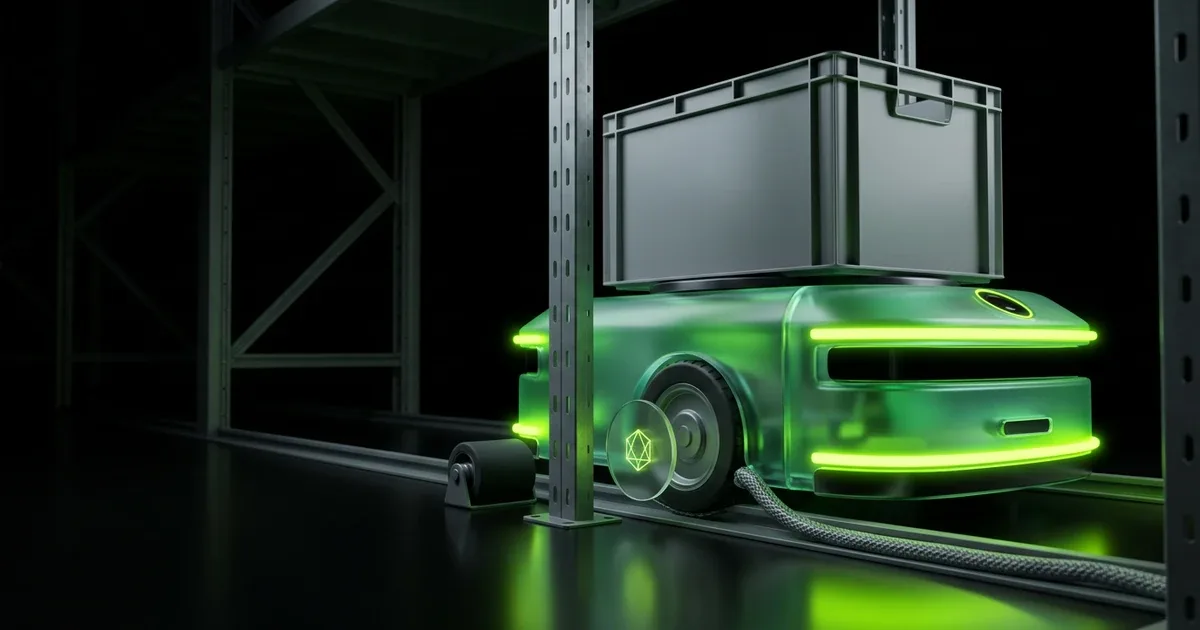
Inside the fulfillment center, the focus is on physical speed and accuracy. The strategic leap into automation is reshaping warehousing operations, emphasizing efficiency and resilience. Automated storage and retrieval systems (ASRS), autonomous mobile robots (AMRs), and automated packaging lines reduce the time it takes to get an order from the shelf to the loading dock. This physical automation ensures the fulfillment metric stays tight, giving the carrier the maximum possible time to hit the delivery promise.
Outside the warehouse, the focus shifts to data and routing. Managing the complex web of last-mile deliveries remains a significant challenge for logistics operations, requiring innovative solutions. Automating carrier selection means the system evaluates the destination, package dimensions, and real-time carrier performance to print the optimal label. You can discover how predictive last-mile delivery analytics and AI decision intelligence help e-commerce operations reduce costs and optimize carrier performance by removing human guesswork from the routing equation. Post-purchase tracking, returns authorization, and carrier invoice auditing are also prime targets for automation, turning hours of manual verification into instantaneous system checks.
How Does AI Transform E-commerce Logistics Automation?
AI impacts e-commerce logistics by turning fragmented carrier data into predictive routing decisions, demand forecasts, and proactive exception management. Traditional automation follows static rules: if a package weighs X and goes to zone Y, use carrier Z. AI introduces dynamic decision-making based on current network conditions, historical performance, and cost variables.
Generative AI is being applied across supply chains to interpret large volumes of messy data, improve scenario planning, speed up repetitive tasks, and help make faster, more informed decisions. When a winter storm disrupts a regional hub, an AI-driven system does not wait for a manager to update the routing logic. The system reads the performance degradation, flags the affected shipments, and automatically routes new orders through alternative networks. This capability turns carrier updates into prescriptive action.
The market demands these intelligent systems. Gartner identifies top technology trends for supply chains in 2025, highlighting areas ready for automation. For ambitious brands, the goal is to build an e-commerce logistics data moat and proprietary carrier networks that protect margins better than marketing spend. By applying AI to normalized logistics data, brands can predict delivery dates with high confidence, optimize their rate cards, and ensure that both human buyers and their AI agents see a reliable, high-performing operation.
How to Automate Your E-commerce Logistics Workflow?
You can automate your e-commerce logistics workflow in 2026 by mapping your existing data silos, standardizing carrier integrations, and deploying a unified operating system that executes routing and returns dynamically. The transition requires a structured approach that prioritizes data integrity over quick fixes.
Consolidate fragmented data sources: Before you can automate decisions, you must unify the data. Connect your warehouse management system (WMS), order management system (OMS), and carrier networks into a single data foundation. A single foundation ensures a decision made at checkout relies on the exact same rate card and performance history used by the fulfillment team.
Implement intelligent carrier selection: Replace static routing guides with dynamic allocation. Configure your system to select carriers based on real-time performance, actual contracted rates, and the specific delivery promise made to the shopper.
Automate post-purchase tracking: Map raw carrier event codes into standardized, consumer-friendly statuses. Standardized statuses trigger proactive delivery notifications and exception alerts automatically. You can discover how unifying logistics data for CRM agents enables true WISMO automation and protects the post-purchase experience during peak.
Streamline returns management: Digitize the return policy. Allow shoppers to initiate returns through a self-service portal that automatically enforces eligibility rules, generates the correct return label, and routes the item back to the optimal facility based on inventory needs.
Automate cost audit and claims: Set up continuous auditing of carrier invoices against your negotiated rate cards. Automate the filing of claims for lost or damaged parcels the moment the system registers the failure.
What are the Challenges in E-commerce Logistics Automation?
The challenges in e-commerce logistics automation center on integration complexity, poor data quality across legacy tools, and the high cost of maintaining custom carrier connections. Most brands run a dozen or more separate tools behind their storefront. This fragmentation creates a solution stack tax: brands pay for the software licenses, the engineering team required to maintain fragile APIs, and the cost of decisions made on disconnected data.
Carrier data is notoriously messy. Field rules and label formats change frequently, often without warning. If a brand builds its own integrations, a minor update from a regional carrier can break the entire routing workflow, requiring immediate developer intervention. Legacy systems often report rather than recommend. A warehouse full of dashboards tells a logistics manager what went wrong yesterday, but it does not automatically fix the routing for tomorrow. Overcoming these challenges requires moving away from stitched-together point tools and adopting a system designed to handle the complexity of global carrier networks natively.
Future-Proofing Your Logistics with an AI Commerce Operating System
The operational reality of 2026 demands more than a collection of point tools. Perform.AI is the AI Commerce Operating System for ambitious brands. We run everything that drives the purchase—being found by humans and AI agents, checkout, delivery, returns, and the logistics underneath—on one connected system.
As carrier networks fragment and delivery costs fluctuate, the boundary between marketing and fulfillment dissolves. The brands that capture market share in 2026 treat their logistics data not as a backend cost to manage, but as the primary signal that AI shopping agents use to verify reliability.
This unified approach eliminates the coordination gap. Returns data sharpens the delivery promise, and delivery performance sharpens carrier selection. To see how a connected system can optimize your routing, cut manual reconciliation, and protect your gross margin, book a demo.
Frequently Asked Questions
How can I automate my e-commerce logistics workflow in 2026?
You can automate your e-commerce logistics workflow by replacing fragmented point solutions with a unified AI Commerce Operating System. This involves consolidating your carrier data, implementing dynamic routing rules based on real-time performance, and digitizing post-purchase tracking and returns to eliminate manual intervention.
What are the benefits of automating e-commerce logistics?
Automating e-commerce logistics reduces manual reconciliation, lowers operational costs, and accelerates fulfillment. It allows operations teams to catch delivery exceptions proactively, ensures accurate carrier billing through automated audits, and provides the structured performance data that AI shopping agents require to recommend your brand.
What technologies are used in e-commerce logistics automation?
E-commerce logistics automation relies on warehouse robotics for physical fulfillment, predictive analytics for dynamic carrier selection, and machine learning to normalize raw carrier event codes into standardized tracking data. It also utilizes automated rules engines for self-service returns and invoice auditing.
How does AI impact e-commerce logistics?
AI impacts e-commerce logistics by shifting operations from reactive reporting to proactive decision-making. It analyzes historical and real-time network data to predict delivery dates accurately, reroute shipments around disruptions, and recommend specific operational fixes to protect gross margin.
How to choose an e-commerce logistics automation solution?
Choose an e-commerce logistics automation solution that operates as a single connected system rather than a collection of siloed tools. Look for a platform that standardizes data across checkout, post-purchase, returns, and logistics, and offers extensive, pre-built global carrier integrations to eliminate API maintenance.