The E-Commerce Summer Slump: Myth or Not?
E-commerce faces a summer slump, but hybrid shopping and omnichannel strategies unlock new growth opportunities.
With the summer vacation coming in full swing, there is plenty to look forward to. The sunny days of summer have inspired shoppers to get out of their homes. Between vacations, summer camps and numerous outdoor activities, consumers are less inclined to spend their time perusing online stores.
On that note, summer can be viewed as one of the most challenging seasons for e-commerce businesses. The summer slump happens when businesses experience a fall in customers, sales or engagement during the summer. Retailers experience lower conversion rates, low customer engagement and high cart abandonment in the months of June, July and August.
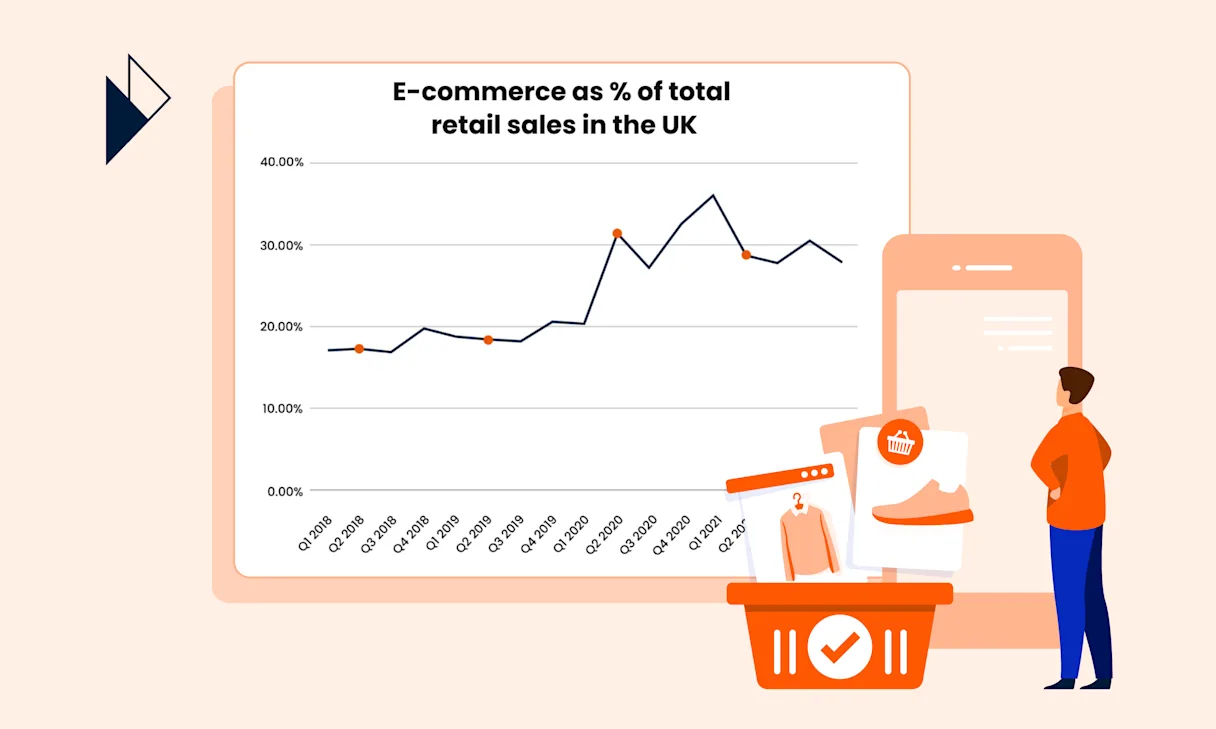
We did a deep dive into the peaks and troughs of e-commerce sales, particularly in the United States and United Kingdom markets through the years, from the pandemic-stricken world in 2020 to what we call the current ‘new normal’ era. Is the e-commerce summer slump real? How has the holiday season influenced consumers’ spending habits? Let’s find out!
The Holiday Season Calls for Higher in-store Shopping Rates
As the vaccination rate improves and regulations continue to loosen up, brick-and-mortar stores are going to be a lot busier than a year ago, as shoppers’ anxieties around venturing out of the house have eased considerably. The National Retail Federation stated that it anticipates nearly 2 million more people will shop offline during the holiday season. There has also been a consistent decline in e-commerce ratio sales to overall sales in the third quarter from 2018 to 2022 in the UK. In June 2021 itself, we saw a 1.1% dip in e-commerce sales ratio between the second and third quarters – higher than the original 0.3% estimated by experts.
The Big E-Commerce Summer Slump: A Myth?
One of the most pervasive e-commerce narratives is the credence that online shopping growth takes a dip during the summer months. On a global scale, e-commerce traffic tends to experience a 30% decline between July and September each year before increasing again in the run-up to other major e-commerce events like Black Friday. This can be attributed to several reasons such as seasonal changes in weather that impacts buying behavior as well as vacation and summer activities.
However, the onset of Covid-19 has resulted in a dramatic shift in consumer behavior, with a whopping 67% of consumers reporting that they shop differently now. In-person interaction has dramatically changed or been supplanted by digital engagement, as reported that 75% of consumers who have tried online shopping intend to continue this behavior post-pandemic. Furthermore, as observed in regions like Europe, the gloomy state of the economy has resulted in slowing growth coupled with rising inflation.
Consumers are now experiencing lower purchasing power and hence, more inclined to search for cheaper alternatives and deals that online retailers are able to offer compared to brick-and-mortar stores. With that being said, the summer of 2022 can be seen as a unique period, as consumers adjust to the hybrid way of shopping. Fashion (64.1%), consumer electronics (63%) and groceries (49.3%) continue to be popular product categories that are being purchased online according to a Qubit survey of UK and US consumers. Nevertheless, shopping trends change but pandemic behaviors are here to stay as e-commerce sales continue to grow, expecting to hit $7.391 trillion by 2025
New Opportunities in a Reimagined Environment
As we ease our way into the post-pandemic world, we can expect new precedents and shifts in consumer behavior and e-commerce growth rates. The last two years were unique for e-commerce retailers as we faced multiple lockdowns and social distancing regulations.
Having said that, summer does not have to be a snooze fest for e-commerce companies. Businesses can continue to review and adjust their e-commerce strategies to adapt to the turbulent times. For instance, we have observed the rising trend of omnichannel strategies embarked by major e-commerce companies like Amazon and Walmart that blend physical and online channels to engage consumers in the channel of their choosing. The rise of ‘hybrid shoppers’ can be observed as consumers will likely shift between shopping online and in stores to make the final purchase decisions.